
In markets where sit-stand desks are still a new category, the risk is not choosing the wrong premium features. It is launching a range that is too wide, too expensive to stock, or too hard to explain. A focused entry range solves all three.
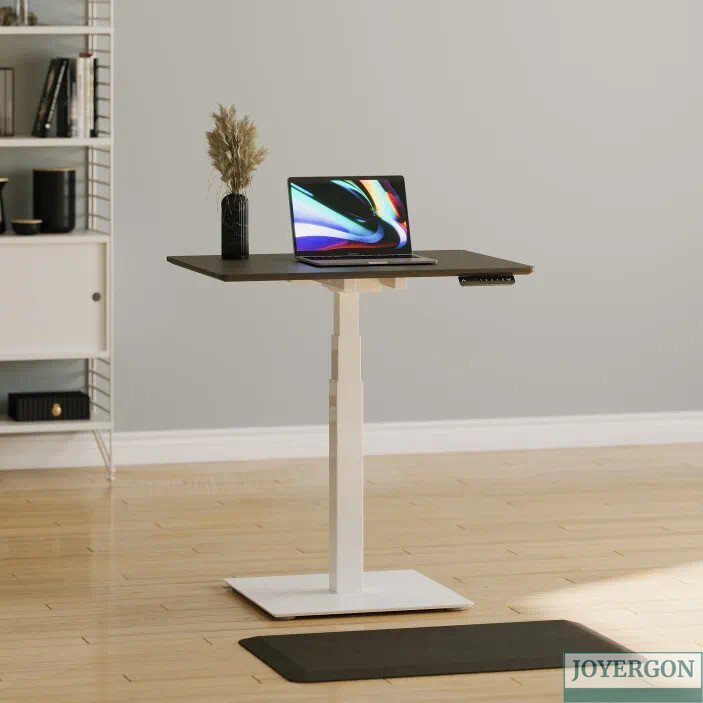
Two or three configurations are usually enough: a value entry frame, a core dual-motor frame, and one larger-top configuration for project enquiries. Each slot needs a clear buyer and a clear price position, so a dealer can explain the range in a sentence.
Pneumatic and converter products can sit beside the electric line for customers without available power, but they should not blur the electric specification.
| Entry slot | Configuration | Purpose |
|---|---|---|
| Value | 2-leg single-motor or 2-stage dual-motor | Price-led first purchase and online SKUs |
| Core | 2-leg 3-stage dual-motor | Main dealer and project programme |
| Larger top | 3-leg configuration | Project and collaborative enquiries |
| No-power option | Pneumatic frame or converter | Retail and retrofit situations |
A specification sheet that explains the buyer meaning of height range, load and stability helps a new market make a confident first choice. Even where local tender requirements are lighter, keeping model-specific documentation makes later expansion into regulated markets cheaper.
Leg profile and finish create visible differentiation: rectangular, square, oval and round columns are available depending on model, and the approved sample fixes the detail for repeat orders.
A trial batch lets a distributor validate sell-through, packaging and installation before a container commitment. Standard samples are prepared in 5 days, OEM samples in 15 days, bulk production in 20-25 days, and quotes are returned within 2 hours.
Order scale grows from trial batches to full containers using the same approved specification, so the range can expand without requalifying the platform.
Two or three configurations covering value, core and larger-top needs. A narrow range is easier to stock, explain and support.
Keeping it from the first order costs little and makes expansion into regulated markets much simpler later.
Add configurations on the same platform family using the same approved finish, leg profile and documentation conventions.
From the first sample to repeat container orders, our team keeps specifications, finish and delivery aligned. Quotes are returned within 2 hours.
Request a quoteRead the selection checklist