
Ergonomics is a mature purchase criterion in some markets and an emerging one in others. For a distributor or brand owner, that difference changes which specifications, documents and price points belong in the range. This guide turns market maturity into a practical specification checklist.
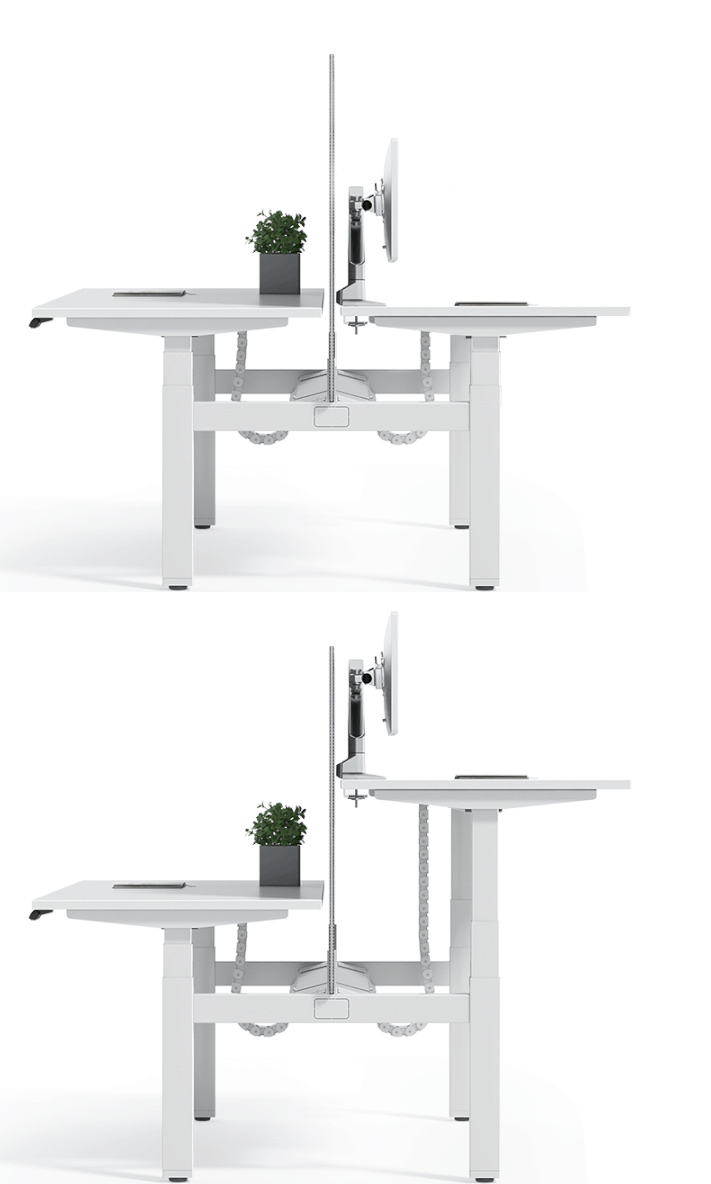
In Europe and North America, ergonomic desks are usually bought through facility tenders, dealer catalogues or corporate frameworks. Buyers ask for declared height range, stability, load, noise and safety behaviour, backed by test reports. A range built for these markets needs documentation as much as hardware.
That is why compliance articles, technical support pages and a consistent specification sheet all matter: the person selecting the frame is often not the person approving the budget.
| Buyer context | What they ask for first | What to prepare |
|---|---|---|
| Corporate or tender | Standards, test reports, declared values | Documentation pack per model |
| Dealer / e-commerce | SKU differentiation, packaging, landed cost | Clear model matrix and carton data |
| Ergonomic product team | Height range, stability, noise, anti-collision | Specification with buyer meaning and validation method |
| Emerging market distributor | Price position and sellable features | A focused entry range with room to extend |
A practical approach is a core two-leg frame for volume, a three-leg frame for larger tops and collaborative layouts, and a four-leg or heavy-duty frame for executive and high-load configurations. The same platform family can then be finished, packed and documented differently per market.
Rectangular, square, oval and round leg profiles give brand owners a visible way to differentiate a range without changing the underlying frame architecture. Availability is confirmed by model, with the approved sample fixing the detail.
Standard samples are prepared in 5 days, OEM samples in 15 days, and bulk production in 20-25 days, with quotes returned within 2 hours. That makes it realistic to test two configurations in one market before scaling the rest of the range.
Order scale can grow from trial batches to full containers, keeping the same approved sample as the reference for finish, geometry and packaging.
The requirement may be lighter, but keeping the same specification sheet simplifies the range and makes later expansion into regulated markets cheaper.
Finish, leg profile, desktop compatibility and packaging create visible SKU differences while the frame platform stays consistent.
A trial batch built on an approved sample, with the same packing and documentation that later containers will use.
From the first sample to repeat container orders, our team keeps specifications, finish and delivery aligned. Quotes are returned within 2 hours.
Request a quoteRead the selection checklist